
Latest News
Retail Automation Trends Powered by Asian Manufacturing
The global retail landscape is undergoing a tectonic shift. For retail business owners, store managers, and IT decision-makers in emerging markets like Asian country, the conversation has moved past simple digitization to a new frontier: comprehensive automation. As consumer expectations for speed, accuracy, and personalized service rise, the hardware powering these experiences has become the critical differentiator.
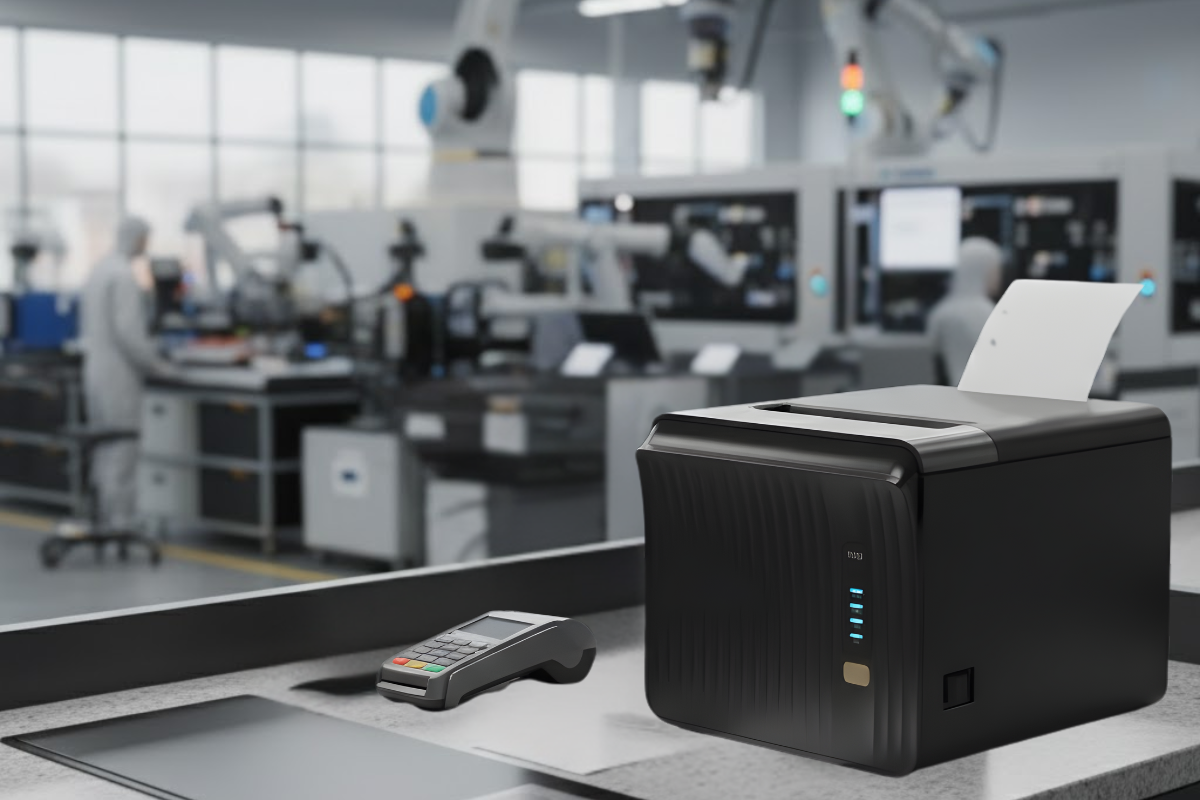
At the heart of this revolution is Asian manufacturing retail technology. By combining high-volume production with cutting-edge R&D, Asian manufacturers have transformed retail hardware from expensive, niche tools into reliable, scalable, and cost-effective solutions for businesses of all sizes.
The Rise of Automated Retail Operations
Automation is no longer reserved for global giants. Today, smart retail solutions are accessible to local supermarkets, fashion boutiques, and pharmacies. This accessibility is largely due to the maturity of retail hardware innovation in Asia, where the integration of mechanical precision and software intelligence has birthed a new generation of devices.
Self-Checkout Kiosks and Smart Shelves
The self-checkout kiosk is perhaps the most visible trend. Modern iterations are more than just scanning stations; they are sophisticated hubs featuring computer vision to detect items and integrated weighing scales for loss prevention. Complementing this are smart shelves equipped with weight sensors or infrared beams that notify staff the moment stock levels drop, ensuring that “out-of-stock” never means “lost sale.”
Digital Price Tags (ESL)
Electronic Shelf Labels (ESL) represent a massive leap in operational efficiency. Managed through a central cloud system, these tags allow retailers to update prices across thousands of items instantly. This eliminates manual labeling errors and enables dynamic pricing strategies—a crucial advantage in fast-moving consumer goods (FMCG) sectors.
Advanced POS Systems: The Brain of the Store
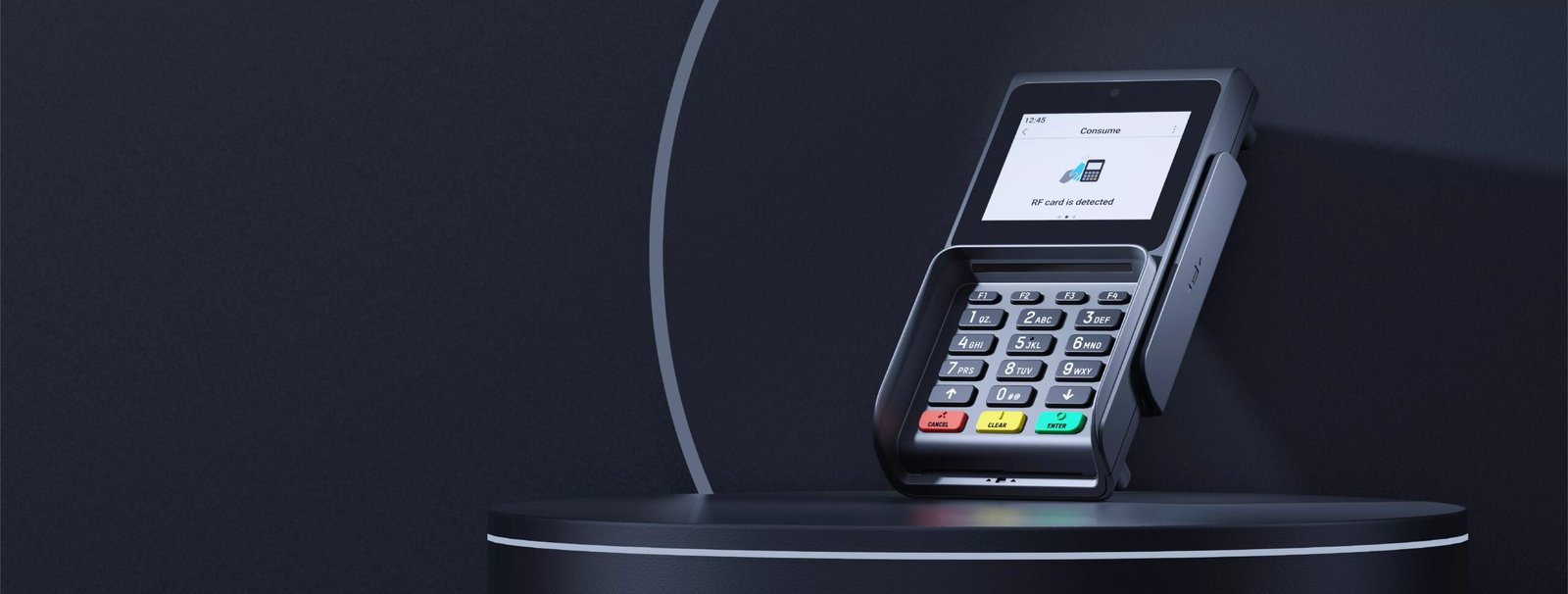
The “Point of Sale” is no longer just where money changes hands; it is the data nerve center of the modern store. Automated POS systems have evolved into integrated platforms that bridge the gap between physical storefronts and digital back-ends.
- Cloud-Based Integration: Modern POS hardware manufactured in Asia is designed for seamless cloud connectivity. This allows real-time synchronization between sales, inventory, and Customer Relationship Management (CRM) modules.
- Mobile POS (mPOS): To combat long queues, retailers are increasingly adopting handheld mPOS devices. These allow staff to check out customers anywhere in the store, significantly improving the customer experience during peak hours.
- Loyalty and Analytics: By integrating loyalty programs directly into the hardware—via QR scanners or NFC readers—retailers can capture valuable data on shopping habits, enabling more targeted marketing and better stock forecasting.
Robotics, AI, and Predictive Analytics
Artificial Intelligence is the invisible engine driving the latest retail automation trends. When paired with robust hardware, AI transforms raw data into actionable insights.
Warehouse and Back-room Automation
Before a product ever reaches the shelf, automation is at work. Automated Guided Vehicles (AGVs) and robotic sorting systems in retail warehouses reduce human error and speed up the fulfillment process. Many of these robotic components are sourced from Asian tech hubs that specialize in high-torque motors and precision sensors.
Smart Checkout and Loss Prevention
AI-powered cameras at checkout points can now identify products without barcodes, such as fresh produce, by analyzing shape and color. Furthermore, predictive analytics algorithms analyze historical sales data to suggest optimal ordering quantities, reducing both waste and capital tied up in excess inventory.
The IoT Ecosystem and Connectivity
The Internet of Things (IoT) is the glue that holds automated retail together. Smart retail solutions rely on a network of connected devices that communicate constantly to provide a “live” view of the business.
- RFID and NFC Tracking: Unlike traditional barcodes, RFID tags allow for “non-line-of-sight” scanning. An entire pallet or a basket of clothes can be scanned in seconds, providing 99% inventory accuracy.
- Real-time Analytics: IoT-enabled sensors can track foot traffic (heat mapping), helping managers optimize store layouts and staff scheduling based on actual customer behavior.
The reliability of these IoT devices is a testament to the quality standards of Asian manufacturing. High-volume production lines in regions like Shenzhen or Taiwan adhere to rigorous international standards (ISO, CE, and RoHS), ensuring that the hardware is durable enough for the high-traffic environment of a retail store.
Why Asian Manufacturing is the Key to Scalability
For retailers in emerging markets, the primary barrier to automation has historically been cost. However, the concentration of supply chains in Asia has created a unique ecosystem where high-quality hardware can be produced at a fraction of the cost of Western alternatives.
- Cost Efficiency: High-volume production reduces the per-unit cost of components like touchscreens, thermal printers, and processors.
- Rapid Iteration: The proximity of component suppliers to assembly plants allows Asian manufacturers to iterate on hardware designs much faster than competitors elsewhere.
- Global Compliance: Leading Asian manufacturers prioritize compliance with international quality and safety certifications, ensuring that the hardware is not just affordable, but globally competitive in terms of performance and safety.
Challenges in Adopting Retail Automation
While the benefits are clear, the path to automation is not without hurdles. Retailers must navigate several complexities:
- Integration Complexity: Legacy software often struggles to talk to new automated hardware. It is vital to choose hardware that supports open APIs or standard communication protocols.
- Local Support and Maintenance: The most advanced kiosk is useless if it cannot be repaired locally. Sourcing through credible distributors who offer on-ground technical support is essential.
- Sourcing Credible Partners: The market is flooded with low-grade clones. Retailers must vet their hardware sources to ensure they are getting genuine, manufacturer-backed products with long-term firmware support.
Future-Proofing Your Retail Operations
Adopting automation is a journey, not a one-time purchase. To future-proof your business, consider the following roadmap:
- Invest in Scalable Hardware: Start with modular POS systems or ESLs that can be expanded as your business grows. Avoid proprietary “closed” systems that lock you into a single vendor.
- Prioritize Reliable Components: Look for hardware that uses industrial-grade components (e.g., Japanese thermal print heads or high-durability capacitive touchscreens).
- Staff Training: Automation should empower employees, not replace them. Train your staff to manage the technology so they can focus on high-value tasks like customer service and floor management.
- Vet Your Distribution Partners: Ensure your supplier has a direct line to the manufacturer. This guarantees access to genuine parts, warranty fulfillment, and critical software updates.
Conclusion: The Foundation of Success
The future of retail is undoubtedly automated, but the success of that future rests on a physical foundation. While software provides the logic, it is the hardware—the kiosks, the scanners, the sensors, and the servers—that performs the work.
The most successful retail automation strategies are those that recognize that technology hype is secondary to operational reality. By leveraging the innovation, cost-efficiency, and reliability of Asian manufacturing retail technology, businesses can build systems that are not only advanced but sustainable. Ultimately, successful retail automation relies on trustworthy hardware, advanced manufacturing, and reliable local support. Choosing the right sourcing partner is the first and most important step in turning the promise of automation into a profitable retail reality.
Our Recent News
What Retailers Should Expect from POS Hardware in 2026
How Retail Hardware Ensures Brand Compatibility Longevity
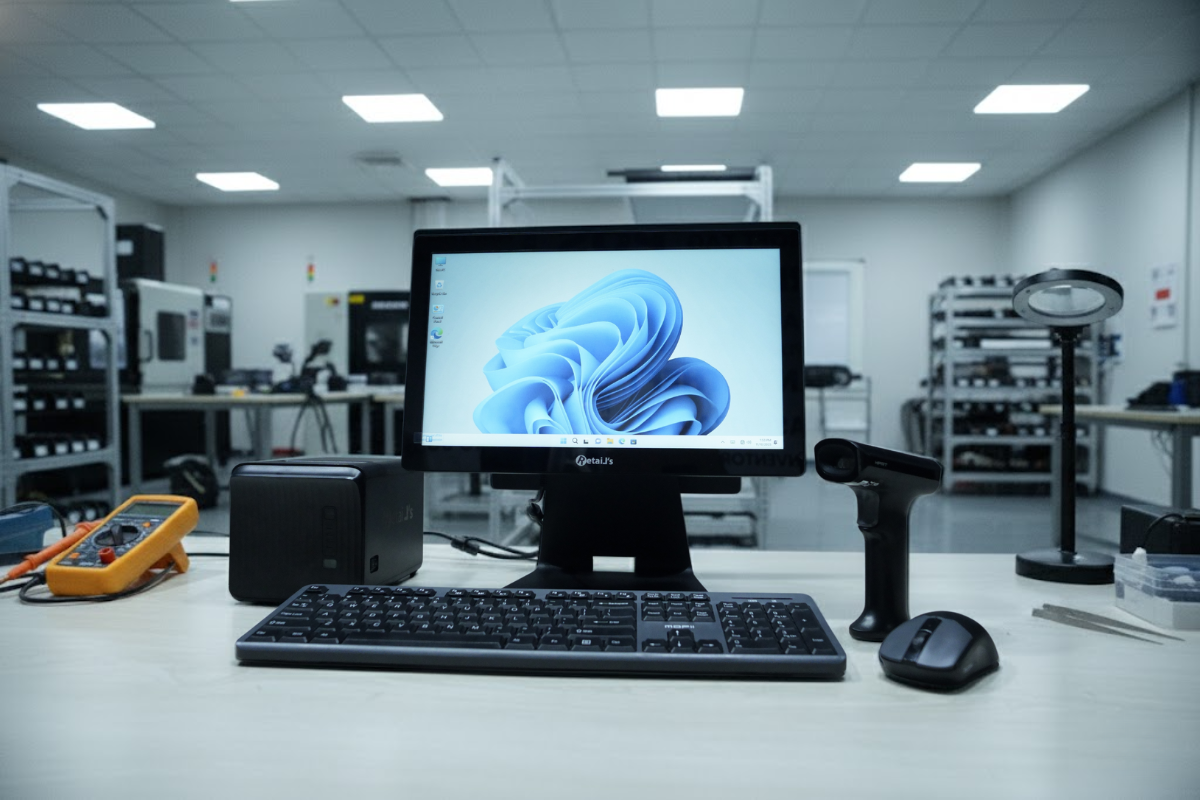
Inside a POS Hardware Factory: Quality Control That Matters